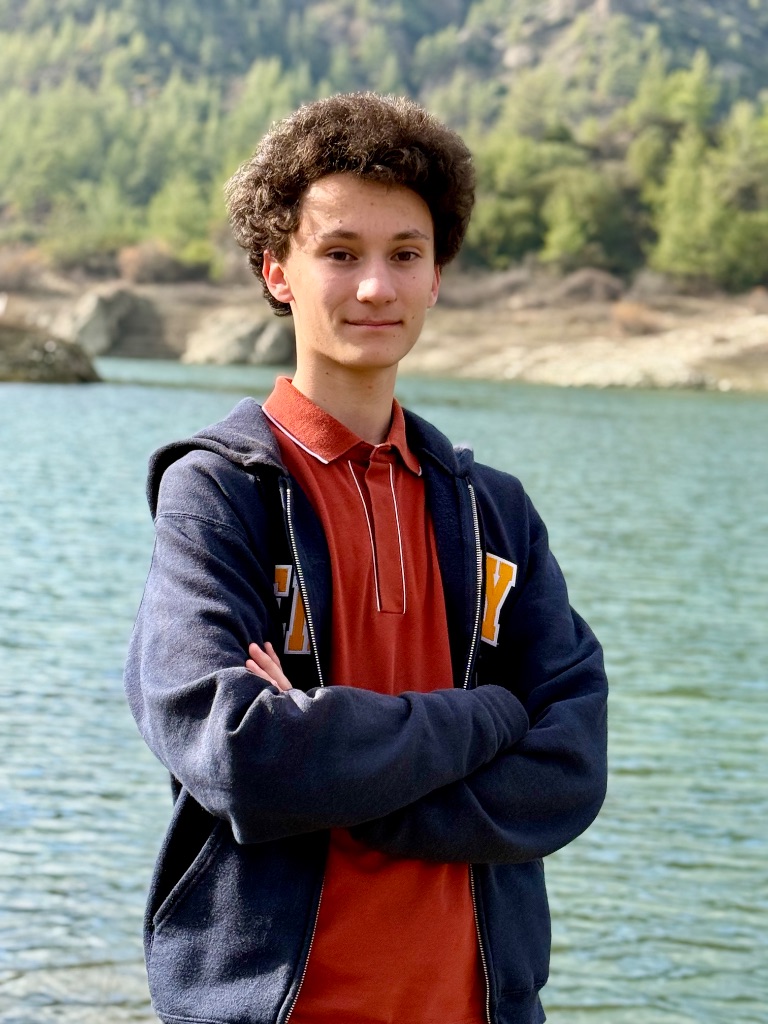
Built by a student who believes kindness should be scalable—but never impersonal.
I'm a student with a simple question: Can kindness be structured without losing what makes it kind?
OneHourHelp is my attempt to answer that. It's not a polished product or a proven model. It's an experiment built on two beliefs:
I'm not trying to build fast. I'm trying to build right.
OneHourHelp begins as a One Hour Club at one college. We'll run 20–30 initial sessions. We'll learn what works, what doesn't, and what needs to change.
Before scaling, we need to test our safety systems. Can we handle boundary violations? Do students feel supported? Do people trust the process?
We're tracking outcomes, but not to inflate metrics. We're tracking to learn. Did the session help? What problems fit in one hour? What needs professional support instead?
Every session includes a live meeting. That's non-negotiable. AI tools may eventually help students prepare or follow up, but they will never replace the conversation.
If the model works at one college, we'll invite other campuses to start their own One Hour Clubs. But we won't push growth faster than we can maintain quality.
Every session generates feedback. Every participant has insights. I'm committed to listening—and changing course when needed.
"This is being built carefully, not quickly."
I'm not defining success by scale. I'm defining it by outcomes.
OneHourHelp will be successful if:
OneHourHelp will have failed if:
I'm thinking in years, not months.
Pilot at one college. Test everything. Learn constantly.
If it works, invite other colleges to start clubs. Build a network of student-led help.
Explore tools to support students (possibly AI advisors) without replacing human sessions. Build research partnerships to measure impact rigorously.
This timeline assumes the model works. If it doesn't, we'll pivot or stop. Honesty matters more than momentum.
I'm looking for early participants, advisors, and constructive critics.